
Brake Repair in Great Falls, MT
Keeping Your Brakes in Top Condition
How Do You Know When Your Vehicle Needs Brake Repair?
Your brakes are one of the most critical safety systems on your vehicle, and they rarely fail without warning. At Mr. Tune Up in Great Falls, Montana, our ASE-certified technicians see a wide range of brake-related issues, and most are entirely preventable if caught early. Common signs your vehicle needs brake service include a squealing or grinding noise when you apply the brakes, a spongy or soft brake pedal that requires more pressure than usual, or a vehicle that pulls noticeably to one side while braking. You might also notice vibration in your steering wheel when slowing down, a brake warning light on your dashboard, or increased stopping distance. These symptoms can point to worn brake pads, damaged brake rotors, a failing master cylinder, or even low brake fluid, all of which require prompt attention from a qualified technician. Ignoring these warning signs doesn’t just put your vehicle at risk; it puts you, your passengers, and everyone else on the road in danger. If any of these symptoms sound familiar, schedule an inspection before a manageable repair becomes a costly one.
What Does a Thorough Brake Inspection Cover?
A comprehensive brake inspection goes well beyond simply checking your brake pads, and that’s exactly the kind of thorough evaluation you’ll receive when you bring your vehicle to Mr. Tune Up. Our technicians examine every component of your braking system, starting with the brake pads and brake rotors to assess wear levels and surface condition. We also inspect brake calipers for signs of sticking, leaking, or uneven pressure, and evaluate brake lines for corrosion, cracking, or damage that could compromise hydraulic pressure. We check the master cylinder for proper function and test brake fluid for moisture contamination, which can significantly reduce braking performance over time. For vehicles equipped with ABS, we use computerized diagnostic equipment to identify any fault codes and assess the health of the anti-lock braking components. If your vehicle uses drum brakes on the rear axle, we inspect those as well, including the wheel cylinders and hardware. We also check wheel bearings during brake service, since worn bearings can mimic brake-related symptoms and affect overall handling. This level of detail is what separates a truly reliable brake repair shop from one that simply swaps parts without understanding the full picture.
Why Trust Mr. Tune Up for Brake Service?
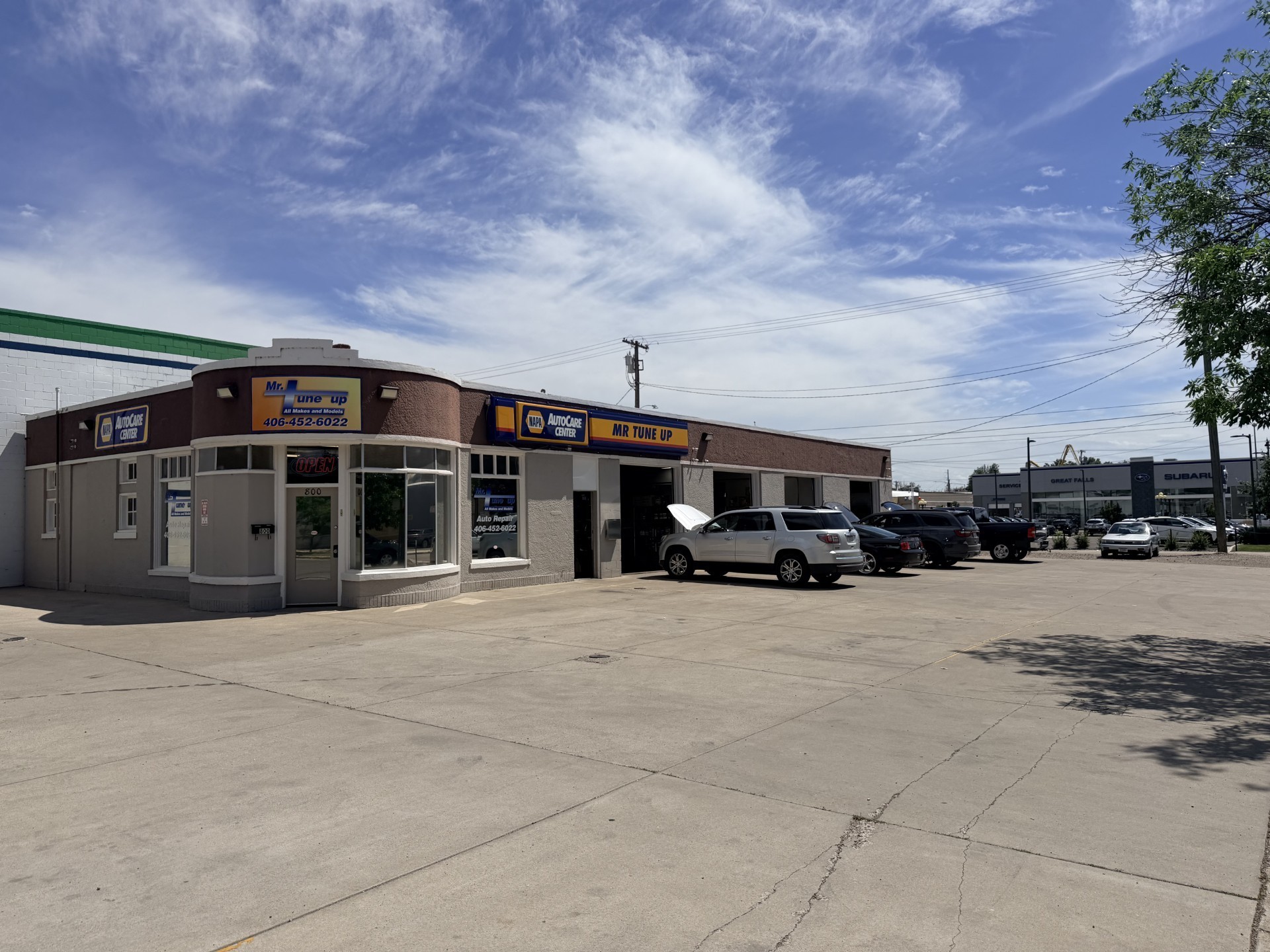
When it comes to brake repair, experience and transparency matter as much as technical skill. Our team at Mr. Tune Up uses digital inspection reports to show you exactly what we find, so you’re never left guessing about your vehicle’s condition or the repairs we recommend. We use quality OEM or equivalent parts for all brake replacements, including brake pads, brake rotors, and calipers, because your safety depends on components that meet or exceed manufacturer specifications. Beyond the repair itself, we offer related services like brake fluid flushes to maintain hydraulic integrity, caliper replacement when needed, ABS diagnostics, and emergency brake adjustments to keep your parking brake functioning correctly. Our shop is conveniently located at 800 1st Avenue North Great Falls, MT 59401 and is open Mon – Fri: 8:00am – 5:00pm, making it easy to fit brake service into your schedule. You can reach us directly at (406) 452-6022 with questions or to book an appointment, or use our online scheduling for added convenience. Fair pricing, honest recommendations, and workmanship backed by a strong warranty are the standards we hold ourselves to every single day. Whether you’re searching for brake repair near me or you already know Mr. Tune Up by reputation, we’re here to make sure your vehicle stops safely every time you need it to.
Frequently Asked Questions About Brake Repair
Brake pad replacement intervals vary depending on your driving habits, vehicle type, and the quality of the pads installed. As a general industry guideline, most brake pads are inspected every 12,000 miles and replaced somewhere between 25,000 and 70,000 miles. A professional inspection is the most reliable way to determine when replacement is actually needed.
Never ignore a brake warning light. It can indicate low brake fluid, worn brake pads, an ABS problem, or a more serious hydraulic issue. Continuing to drive without an inspection can significantly increase your stopping distance and put you at risk. Schedule an inspection as soon as possible.
A spongy brake pedal is typically caused by air in the brake lines, low or contaminated brake fluid, or a failing master cylinder. In some cases, it can also point to a brake line leak. This symptom indicates reduced hydraulic pressure in your braking system and should be diagnosed by a qualified technician right away.
Brake repair costs vary based on your vehicle’s make and model, the specific components that need attention, and whether you need brake pads only or a more comprehensive repair involving rotors, calipers, or brake lines.
Not necessarily. Brake rotors can sometimes be resurfaced if they have enough material remaining and no significant warping or scoring. However, if the rotors are below minimum thickness or show signs of heat damage, replacement is the safer and more cost-effective long-term choice. Your technician will measure and assess them during the inspection.